
Tips for Creating a Relaxing Home Workspace to Boost Productivity
Creating a home workspace that feels relaxing and boosts your productivity can make a significant difference in how you work and how much you accomplish. Whether you’re working from home full-time or just need a dedicated spot for occasional tasks, designing an environment that promotes calmness and focus is essential. In this post, we’ll explore easy and effective tips to build a more relaxing home workspace that supports your productivity.
Why a Relaxing Workspace Matters
When your work environment feels cluttered or stressful, it’s tough to concentrate. A relaxing workspace helps reduce distractions and keeps your mind clear. This balance between comfort and functionality can lead to better focus, less fatigue, and improved work quality. Moreover, having a pleasant workspace can boost your motivation and make working from home a more enjoyable experience.
Choose the Right Location
Find a Quiet Spot
Locate your workspace in a quiet part of your home where interruptions are minimal. This could be a spare room, a corner of the living room, or even an unused dining area. The less noise and traffic, the easier it is to maintain focus.
Consider Natural Light
Try to position your desk near a window to take advantage of natural light. Sunlight can improve your mood and reduce eye strain. If natural light isn’t an option, choose soft, warm artificial lighting that won’t be harsh or glaring.
Invest in Comfortable Furniture
Ergonomic Chair and Desk
Comfortable furniture is key to staying productive and relaxed. An ergonomic chair with good lumbar support prevents back pain and discomfort. Your desk should be at a height that allows your arms to rest comfortably while typing.
Add a Footrest or Cushions
If your feet don’t touch the floor comfortably or if you want extra comfort, use a footrest or cushions. These small additions help maintain good posture during long work sessions.
Declutter and Organize
Keep Only Essentials on Your Desk
A cluttered desk can increase stress and reduce efficiency. Keep only the items you need daily—such as your computer, a notepad, and a pen—within easy reach.
Use Storage Solutions
Shelves, drawers, and organizers help keep clutter out of sight. Regularly clean and organize your workspace to maintain a tidy, serene atmosphere.
Personalize Your Space
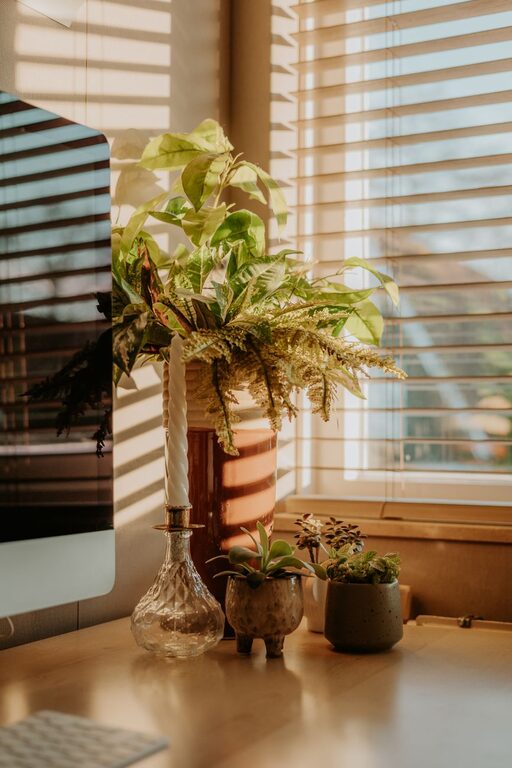
Add Plants
Indoor plants are a great way to bring life and freshness into your workspace. They can improve air quality and create a calming environment.
Include Personal Touches
Photos, artwork, or inspiring quotes can make your workspace feel welcoming and motivate you. Just be sure to keep decorations minimal so they don’t become distractions.
Manage Technology Wisely
Invest in Quality Equipment
Using reliable technology reduces frustration. A good monitor, keyboard, and mouse can make a big difference in comfort and productivity.
Minimize Distractions
Turn off non-essential notifications, use apps to block distracting websites, and keep your phone on silent or in another room when focus is critical.
Establish a Routine
Set Work Hours
Even at home, having clear start and end times for your workday helps create boundaries and prevents burnout.
Take Regular Breaks
Step away from your workspace at regular intervals to stretch, walk, or relax your eyes. Breaks increase productivity and reduce fatigue.
Create a Calming Atmosphere
Use Soothing Colors
Choose calming colors like soft blues, greens, or neutrals for your workspace. These colors help reduce stress and create a peaceful vibe.
Incorporate Gentle Sounds
If silence feels too intense, consider playing soft background music or nature sounds. These can help mask distracting noises and enhance focus.
Keep Air Quality Fresh
Open Windows
If possible, open a window to let fresh air circulate. Clean air helps keep your mind sharp and your workspace inviting.
Use Air Purifiers or Essential Oils
An air purifier can reduce allergens and dust. Alternatively, diffusers with essential oils like lavender or eucalyptus can promote relaxation.
Final Thoughts
Creating a relaxing home workspace is about finding balance between comfort and efficiency. By choosing the right location, investing in ergonomic furniture, organizing your environment, and adding personal touches, you can create a space that supports your best work. Remember, small changes can lead to big improvements in how you feel and perform during your workday. Give these tips a try and enjoy a calmer, more productive home office experience.
