Tips for Creating a Relaxing Home Office Environment
Creating a relaxing home office environment is essential for maintaining focus, reducing stress, and improving overall productivity. Whether you work remotely full-time or occasionally need a quiet spot to handle tasks, your workspace should inspire calm and creativity. Here are some practical tips to help you design a home office that feels peaceful and inviting.
Choose the Right Location
Selecting the right spot for your home office sets the foundation for a relaxing atmosphere.
– Pick a Quiet Area: Avoid high-traffic zones to minimize distractions.
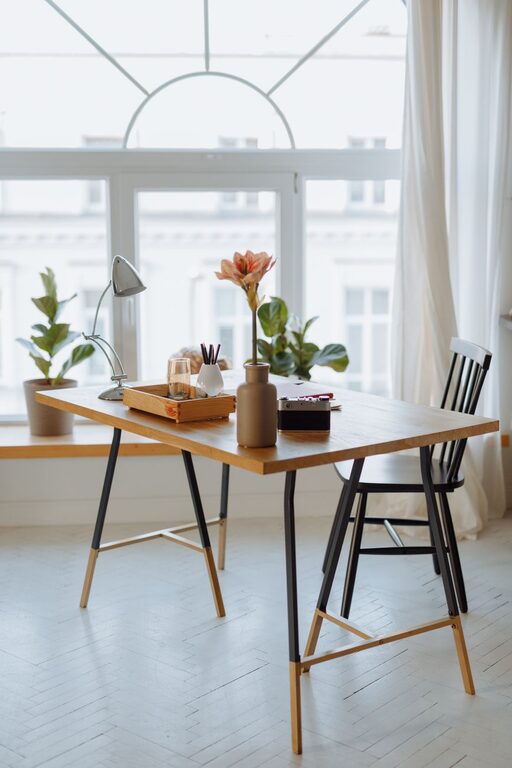
– Natural Light: Position your desk near a window to benefit from natural light, which can boost mood and energy.
– Good Ventilation: Fresh air improves focus and comfort, so ensure your workspace has proper airflow.
Invest in Comfortable Furniture
Comfort plays a significant role in creating a pleasant work environment.
– Ergonomic Chair: A supportive chair reduces back strain and encourages good posture.
– Adjustable Desk: Consider a desk you can adjust for sitting or standing, which promotes movement throughout the day.
– Adequate Surface Space: Ensure your desk has enough room for your computer, documents, and everyday essentials.
Keep It Organized
Messy spaces can increase stress, so keeping your office tidy helps maintain a relaxed vibe.
– Declutter Regularly: Remove items you don’t need to keep the workspace clean.
– Storage Solutions: Use shelves, drawers, and organizers to keep paperwork and supplies neatly stored.
– Cable Management: Use clips or ties to organize cords and prevent a tangled mess.
Use Calming Colors and Decor
Colors and decor can significantly impact your mood and productivity.
– Soft, Neutral Colors: Shades like light blue, pale green, or warm beige create a calming backdrop.
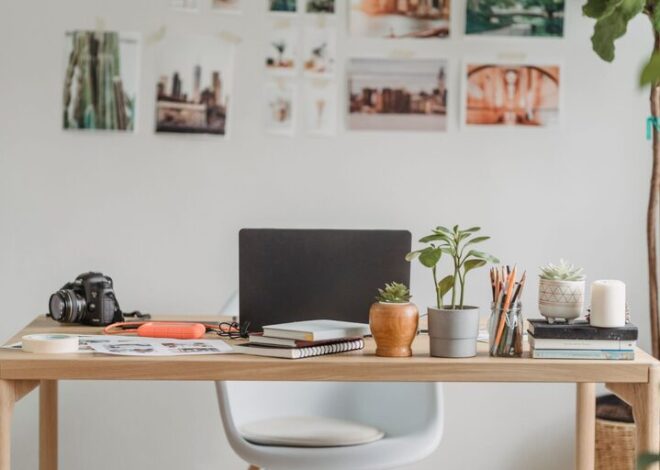
– Personal Touches: Add artwork or photos that inspire you without overwhelming the space.
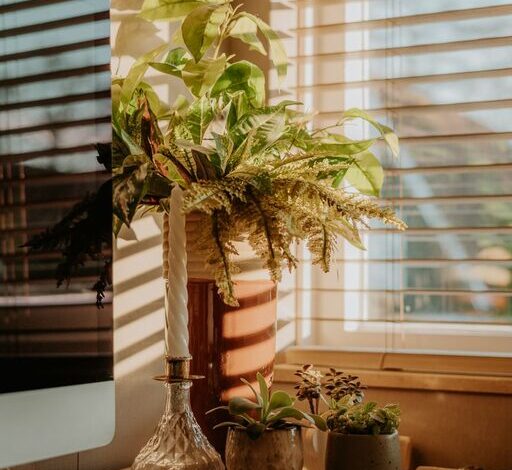
– Plants: Incorporate greenery, which can improve air quality and add a sense of tranquility.
Control Lighting Properly
Lighting affects both your comfort and productivity.
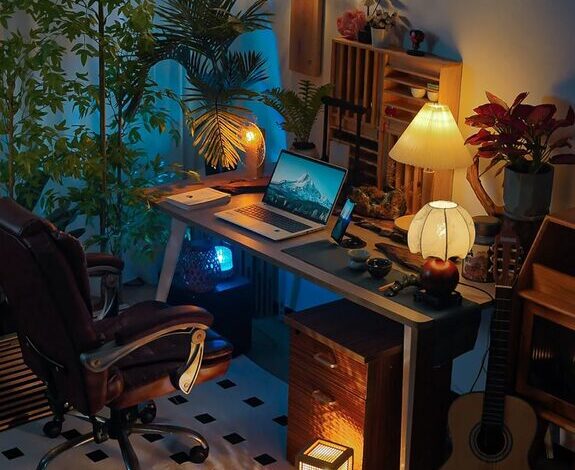
– Avoid Harsh Lighting: Use lamps or indirect lighting instead of bright overhead lights.
– Task Lighting: Place a desk lamp to illuminate work areas without causing glare on screens.
– Adjust Brightness: Use dimmers or adjustable bulbs to fit different times of the day.
Minimize Noise Distractions
While some noise may be unavoidable, there are ways to reduce disturbances.
– Noise-Cancelling Headphones: Great for focusing if you’re in a noisy household.
– Soft Background Music: If helpful, play calming music or nature sounds.
– Soundproofing: Add rugs, curtains, or acoustic panels to absorb excess noise.
Incorporate Break Areas
Taking short breaks is important to maintain relaxation and productivity.
– Comfortable Seating: Add a small chair or cushion where you can rest your eyes or meditate.
– Relaxing Items: Keep a book, stress ball, or essential oils nearby to help you recharge.
– Designate Break Times: Set alarms or reminders to step away from your desk regularly.
Personal Wellness Features
Your home office should support not just work but overall well-being.
– Hydration Station: Keep a water bottle or cup nearby to stay hydrated.
– Healthy Snacks: Have some light snacks at hand for energy without cluttering your desk.
– Movement Prompts: Use apps or timers to remind yourself to stretch or walk around periodically.
Technology Tips for a Calm Workspace
Technology can either enhance or hinder your relaxation.
– Declutter Digital Space: Keep your desktop and email organized to reduce stress.
– Use Blue Light Filters: Protect your eyes by adjusting screen settings, especially in the evenings.
– Limit Notifications: Turn off non-essential alerts that can interrupt your focus.
Final Thoughts
A relaxing home office environment combines thoughtful design, comfort, and organization. By making small adjustments to your space, you can create a soothing atmosphere that supports productivity and well-being. Remember, your workspace should be a place where work feels less like a chore and more like an enjoyable part of your day. Start with these tips and tailor your office to what makes you feel most calm and focused.